
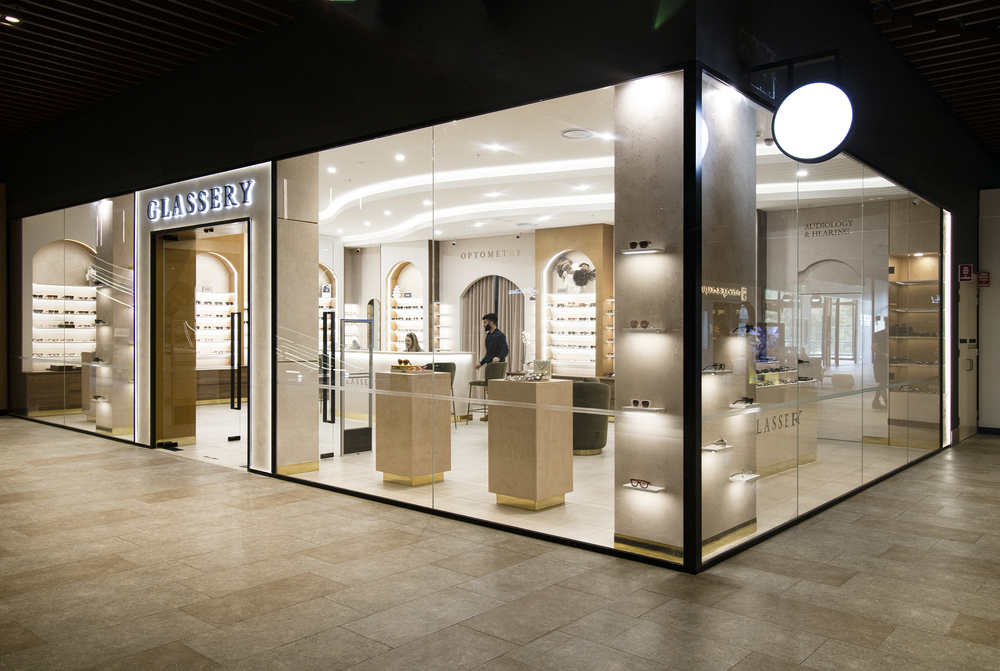
Experience turned Service—The Glassery
LookBook sits down with the team from The Glassery in NSW
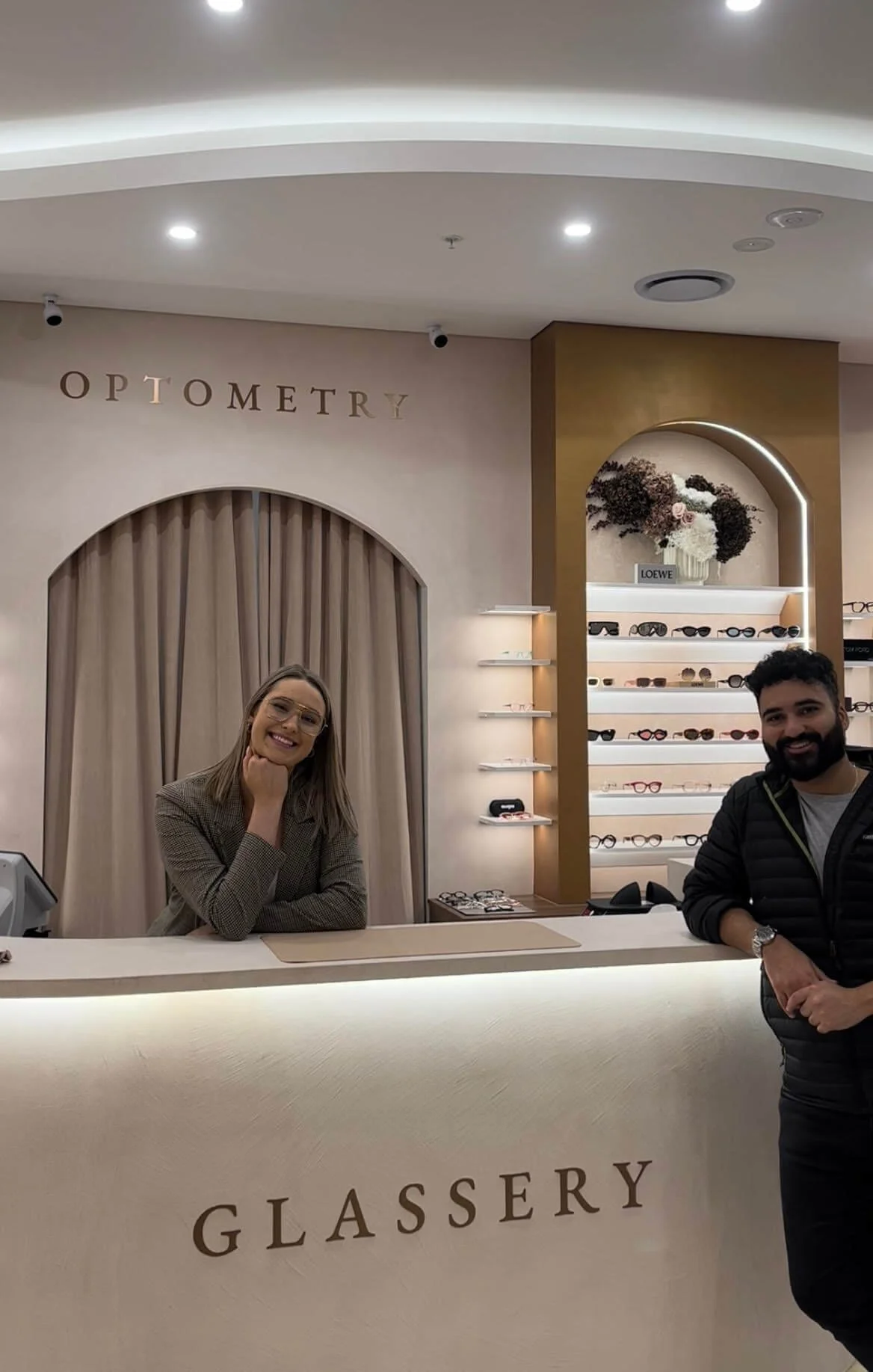
Lucy Waring (Practice Manager, Optical Dispenser) + Elie Tawfik (Business Owner, Optometrist)
LB: Can you tell us a bit about yourself and what inspired you to become an optometrist?
Elie: When I was 5 or 6, I started struggling with my vision but didn't realise it at the time. I thought everyone had trouble seeing the chalkboard and had trouble keeping up in class. It wasn’t until my parents took me to an optometrist that I learned I had myopia (shortsightedness) and needed glasses. Once I wore them, everything changed - I could see clearly, from the chalkboard to faces across the room, and even playing sports.
As my vision worsened over the years, I returned for updated prescriptions, each time appreciating how much clearer everything became. By 15, I switched to contact lenses, which gave me a new sense of freedom. My own experience made me realise how impactful optometrists are and inspired me to pursue a career in optometry.
Now, as an optometrist, I’m proud to help others see clearly and raise awareness about eye health, ensuring no one has to struggle with blurry vision without understanding why. It’s fulfilling to make a real difference in people’s lives, just as optometrists did for me.
LB: How does your independent practice differentiate itself from other practices?
Lucy: Our service and commitment to our patients sets us apart from larger chains and online retailers. Our dedication and passion has always been in giving every single patient a completely personalised experience, focusing on the individual's needs and priorities. When we started Glassery, we made the decision to prioritise quality over quantity. The product we sell is the highest quality we could find in the industry. We care about every patient’s visual comfort and experience in the lenses we give them. We make sure to follow up with all of our patients to ensure they are absolutely loving their new vision and frames. All of our staff at Glassery have a true passion for what they do.
LB: How have you seen the role of independent optometry evolve over the years?
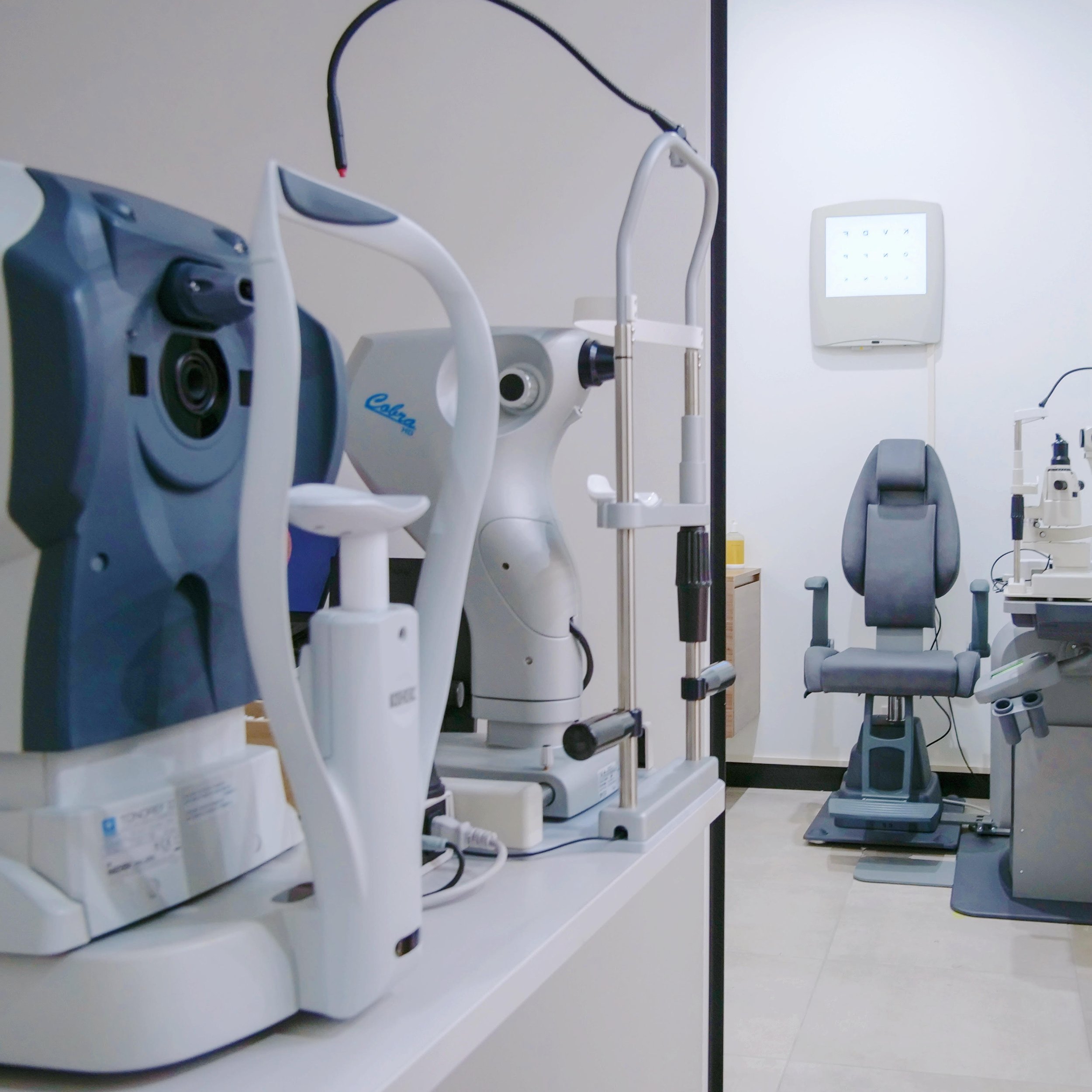
Lucy: The role of independent optometry has evolved to meet the increasingly personalised visual needs of patients. For example, a commercial vehicle driver, pilot, and cyclist all have very different visual demands, and a one-size-fits-all approach no longer works. Independent optometrists have the time and flexibility to discuss these needs and offer tailored solutions. We aren’t limited to a single supplier or lens design - we have access to a wide range of options, allowing us to choose the best solutions for each patient’s unique needs.
LB: What are the most common vision problems you see in patients today?
Elie: One of the most common issues we see in our patients is itchy eyes, accompanied by eye rubbing. Eye rubbing seems like a harmless response to irritation, but it’s a much more serious concern than most would realise. Eye rubbing, especially when it becomes a habit, can cause lasting changes to the cornea. This can lead to a worsened infection and even vision loss. As an optometrist who has been practicing for 10 years, I’m continuously surprised by how many of my patients aren’t aware of the potential dangers. I take every opportunity to educate my patients on the dangers of constant eye rubbing. I also aim to find the root cause of the eye irritation - whether it be underlying allergies, hay fever, or dry eye. This can help us address the issues and give solutions to relieve the discomfort.
LB: Many people put off regular eye exams—why is it so important to have routine check-ups?
Lucy: Yearly eye exams are crucial for detecting potential issues early. It’s easy to delay an exam, but this can lead to irreparable damage. Conditions like glaucoma or macular degeneration often show no obvious symptoms until later stages, so early detection allows for treatment before significant vision loss. Patients may not notice gradual changes in their vision, but an eye exam can identify these changes before they become more severe.
LB: How do you help patients find frames that balance style, comfort, and eye health?
Lucy: I find that helping patients find frames that balances style, comfort, and eye health is a thoughtful process that combines professional knowledge and personal empathy. I start by reviewing the prescription with the patient and choosing lenses that provide the best clarity for the patient's lifestyle needs. Then, I focus on frame comfort, considering factors like size, material, and fit based on their daily wear. Once the functional aspects are covered, we explore styles that align with their personality and preferences. It's rewarding to guide them through this journey, ensuring they feel confident and comfortable in their choice. The best part is seeing the joy when they find a frame that works for both their vision and style.
LB: Are there any eyewear trends you’re seeing more Australians gravitate towards in 2025?
Lucy: At Glassery, we are seeing trends from the 90s become the go-to style of the younger demographic. We are seeing a lot of interest in sleek, narrow, black/dark tort optical glasses. A very classic style from the 90s-00s. For sunnies, women are really gravitating towards funkier narrow metal frames. We’ve seen a few different plays on shapes and sizing and they are selling out! Men seem to be gravitating towards rimless styles. We’ve had a lot of interest in photochromic rimless options. Frames that can be dressed up or down for all occasions!
LB: What’s your advice for someone choosing their first pair of prescription glasses?
Lucy: My advice would be to never settle for glasses that don’t make you feel confident and comfortable. You’ll be wearing them often, so take your time when deciding. We understand that needing glasses can feel overwhelming at first. Try on as many pairs as you need and utilise the optical dispenser you have at your disposal – I promise you, we have plenty of time to find your perfect pair with you. As you try on frames, we will be taking mental notes along the way to grasp your personal style.
Once you find your perfect style and your new lenses arrive, it’ll be all worth it. The comfort you will feel from being able to see the small print, or to actually be able to see the face of that person waving at you in the street will be amazing.
LB: Why should consumers visit an independent optometrist rather than purchasing eyewear online?
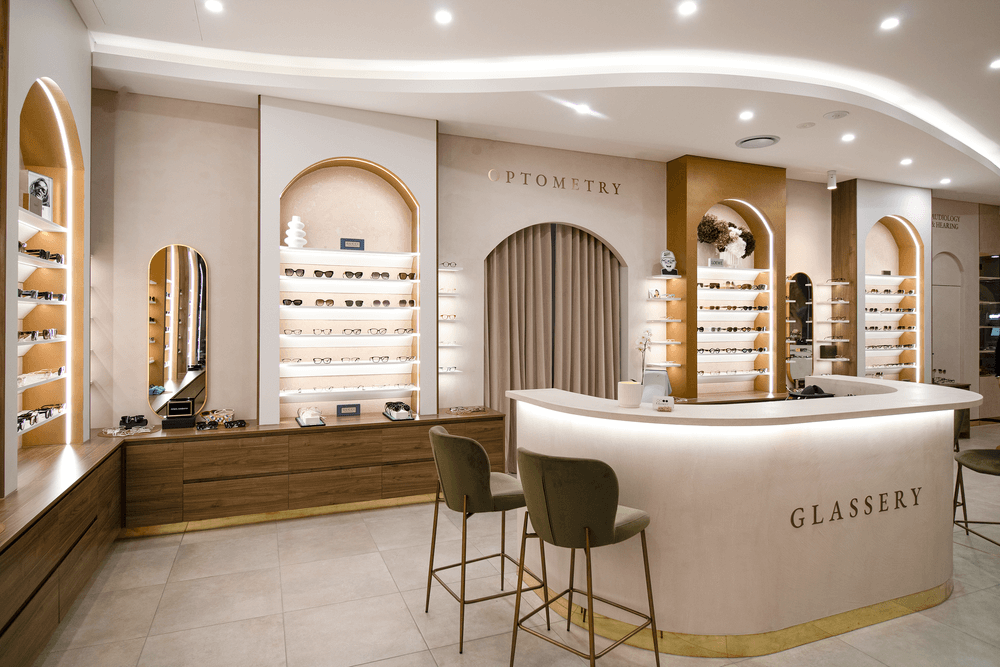
Lucy: As an independent optometry clinic, we are committed to providing the best possible service to each patient. We understand that glasses are not just a fashion accessory, but a medical device crucial to your vision and overall health. That's why we take great pride in selecting beautiful frames and lenses for our patients and ensuring everyone leaves completely happy and satisfied with their final choice. We recommend that every patient tries on their frames before finalising their purchase - unfortunately online companies can’t offer that. We also recommend having a chat with a qualified dispenser about your frame choices to ensure the lenses, vision and comfort will work for you and if needed, we can offer alternative recommendations to ensure the best fit and comfort.
Once a patient receives their frames from their online purchase, there is also no way of ensuring the frames will fit comfortably. We can appreciate that online companies may offer attractive deals, but it often raises concerns about quality, warranty and authenticity.
LB: How does a personalised fitting at an optometry practice make a difference in comfort and vision clarity?
Lucy: Personalised frame fitting is incredibly important! The way a frame sits on a person's face can significantly impact how well their lenses work. There are many variables that can affect the prescription once a patient receives their glasses. For example, if the lenses sit too far from the patient's eyes (such as if the frames are too low on the nose bridge), it can actually distort the prescription. Similarly, if the frames are too wrapped around the nose bridge, it can alter the alignment and affect how the lenses perform. That's why having the right fit is essential to ensure the best vision and comfort for every patient.
LB: What do you wish more people knew about supporting local eyewear businesses?
Lucy: Local independent optometry clinics are a crucial part of the optical industry, but unfortunately the concept is slowly becoming obsolete to corporate optometry. Supporting local independent optometry businesses makes a huge difference. These clinics are usually run by people in your local community. This means they have an invested interest in ensuring their patients leave with quality glasses that will last them years to come. You will get to know the staff and we will look forward to helping you for years to come.
When you go local, you’re also getting a personalised solution to your visual concerns, and you can feel confident knowing you’re in good hands. It’s not just about the right prescription—it’s about peace of mind, too!
LB: With so much screen time in our daily lives, how can people protect their eyes from digital strain?
Lucy: One of the main suggestions we give out patients is to incorporate the 20/20/20 method into their daily lives when working on screens. Basically, every 20 minutes, look at something 20 feet (6 metres) away for at least 20 seconds. This can help with the digital strain that can be caused from working 40 hours a week on a computer screen.
LB: Are blue light glasses really effective, or is there a better solution?
Lucy: At this stage, the majority of the studies on blue light filters are anecdotal. We never push a patient into trying blue light filters to solve their digital eye strain. We always suggest more holistic therapies (like the 20/20/20 method) and we recommend a proper assessment of their visual function and focus.
LB: What are some simple habits people can adopt to reduce eye fatigue at work or school?
Elie: There are simple habits that can make a big difference! Start by adjusting your screen distance to about 70cm from your natural sitting position. Also adjust your lighting to something soft and ambient to avoid glare. Focusing on blinking more often to keep your eyes moist and to prevent irritation from dry eyes. Try keeping your glasses and screens clean and free of marks and smudges, and try getting enough sleep at night to help reduce fatigue. And of course, follow the 20/20/20 method! These simple steps can significantly help keep your eyes feeling refreshed and comfortable throughout the day.
LB: Are you seeing a shift towards more sustainable materials in eyewear?
Lucy: There’s definitely a noticeable shift towards more sustainable materials in eyewear, and we’re also noticing more patients asking about the ethics behind big designer brands. For us, it’s important that all of the eyewear we offer is ethically made, and we make sure to thoroughly investigate the practices of any brand before we decide to work with them. In our opinion, this is a crucial factor when choosing brands to affiliate with, as it aligns with our values of providing both quality products and a positive impact on the environment and society.
LB: How can consumers make more eco-friendly choices when selecting frames or lenses?
Lucy: When buying eyewear, it is more eco-friendly to opt for frames that will stand the test of time. When looking at your next eyewear purchase, look for frames that have been designed and made with good quality materials and strong hinges. This way, you’ll be able to re-lens your frames when the time comes for you to update your prescription. Too often, we see corporate optometry push patients into updating their glasses every year with “no gap” offers - using cheap materials and resulting in all of those older frames ending up in landfill.
LB: Are there any Australian brands leading the way in sustainable eyewear?
Lucy: There are many Australian brands who offer sustainable eyewear. These brands are using recycled material to make their frames. This is a huge step in the right direction for the eyewear industry.
LB: What do you think is the future of eye care in Australia?
Lucy: We can see the future of eyecare become more focused on the effects digital screens are having on our next generation. Unfortunately, we have started seeing the short term effects of digital screens on young children. Even hearing stories of doctors prescribing “outside play for 1 hour a day” to children. We hope to see more research and studies on the development of the eye when using screens for the majority of the day.
LB: Do you have any tips for maintaining good vision health as we age?
Elie: We recommend every patient has regular eye exams to catch any issues early! Eat a healthy diet with vitamins and omega-3s, and always wear sunglasses to protect your eyes from the sun. If you’re on screens a lot, take breaks using the 20/20/20 method. Staying active and quitting smoking will also help your eye health. Finally, make sure your glasses or contacts are the right prescription to avoid strain. These simple habits can help keep our vision clear as you get older!
LB: If you could give one piece of advice to everyone about their eye health, what would it be?
Elie: If you notice a sudden change in your vision, don’t wait. Get it checked right away. A lot of people put off seeing their optometrist when they notice blurry vision - often hoping it’ll go away with time. Some issues are time-sensitive and need quick treatment. Conditions like retinal detachments or glaucoma can cause permanent damage if not treated fast. It’s always better to be safe than sorry, so if something doesn't feel right with your eyes, get them checked sooner rather than later to avoid bigger problems down the line.
Glassery Optometry
Bay Central
Shop 126/453A Captain Cook Dr
Woolooware NSW 2230
(02) 8044 3360
glasseryoptometry.au
