
How to Check If Sunglasses Are Polarized
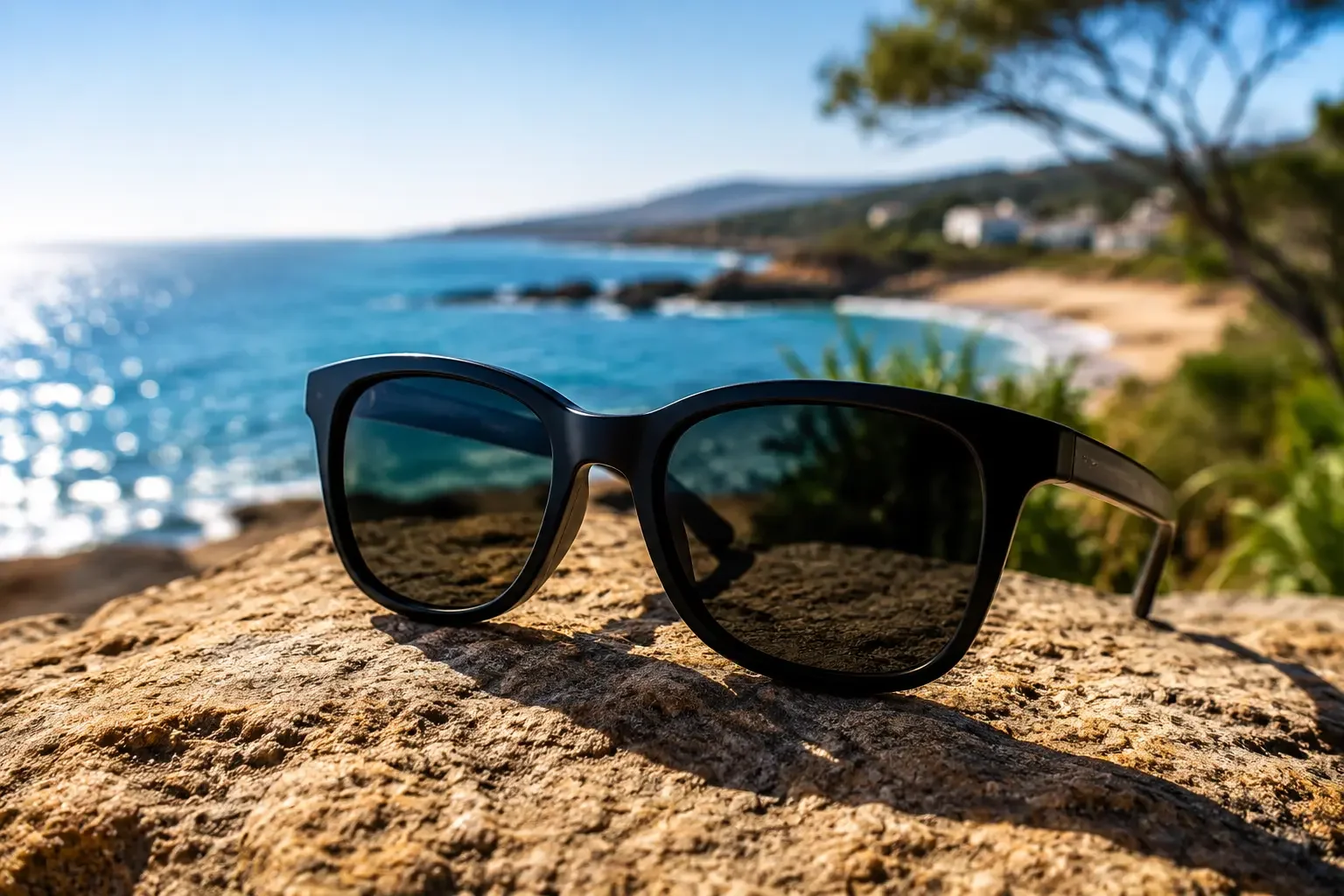
To check if sunglasses are polarized, look at an LCD screen through the lenses and tilt your head sideways. If the screen darkens or changes colour, the sunglasses are likely polarized. You can also compare two polarized lenses together or test glare reduction outdoors in bright Australian sunlight.
Polarized sunglasses are incredibly popular across Australia, especially for driving, beach trips, fishing, boating, and outdoor sports. With Australia’s harsh sunlight and high UV exposure, many people choose polarized lenses because they help reduce glare and improve visual comfort.
But how can you actually tell if your sunglasses are polarized?
Whether you bought a new pair online, found an old pair at home, or simply want to confirm the lens technology, there are several easy ways to test polarized sunglasses yourself.
This guide explains how polarized sunglasses work, how to check them, and why they matter in Australia’s bright outdoor conditions.
What Are Polarized Sunglasses?
Polarized sunglasses contain a special chemical filter that blocks intense reflected light. Unlike regular sunglasses that only darken your vision, polarized lenses specifically reduce glare coming from reflective surfaces such as:
Water
Roads
Car bonnets
Sand
Glass buildings
Snow
This makes them especially useful in Australia, where sunlight is strong year-round.
Polarized sunglasses are commonly worn for:
Driving
Fishing
Beach activities
Boating
Hiking
Outdoor sports
They can improve comfort, reduce eye strain, and enhance visual clarity.
Easy Ways to Check If Sunglasses Are Polarized
1. Use an LCD Screen Test
One of the easiest methods is using a smartphone, laptop, tablet, or ATM screen.
How to do it:
Put on the sunglasses.
Look directly at an LCD screen.
Slowly tilt your head left or right to about 60–90 degrees.
What happens if the lenses are polarized?
The screen will appear:
Darker
Blacked out
Rainbow-like
Distorted at certain angles
If you notice these changes, the sunglasses are likely polarized.
This works because polarized filters interact with the light emitted from LCD displays.
2. Compare Two Sunglasses Together
If you already own another pair of polarized sunglasses, you can compare them.
Steps:
Hold one pair in front of the other.
Look through both lenses simultaneously.
Rotate one pair slowly by 90 degrees.
Result:
If the lenses are polarized, the overlapping area should become significantly darker or nearly black.
This is one of the most accurate at-home tests.
3. Check Reflections Outdoors
Australia’s bright outdoor environment makes this test very effective.
Try looking at:
Wet roads
Water surfaces
Car windows
Beach reflections
With polarized lenses:
You should notice:
Reduced glare
Sharper contrast
Better visibility
More comfortable vision
Reflections will appear softer and less harsh compared to regular sunglasses.
4. Look for a Polarized Label
Many sunglasses sold in Australia include:
A “Polarized” sticker
Lens etching
Product packaging information
However, stickers can sometimes be removed or misleading, so physical testing is still recommended.
5. Visit an Optometrist or Eyewear Store
If you want a professional confirmation, many Australian optical stores and optometrists have polarization testers.
These quick devices instantly confirm whether lenses are polarized.
This can be useful if:
The label is missing
You purchased sunglasses online
You are unsure about authenticity
Why Polarized Sunglasses Matter in Australia
Australia experiences some of the highest UV levels in the world. Outdoor lifestyles and intense sunshine mean glare can become a major issue.
Polarized sunglasses are especially helpful for Australians because they improve comfort in situations like:
Driving
Glare from roads and windscreens can reduce visibility during sunny days.
Beach Days
Sunlight reflecting off water and sand can strain your eyes.
Fishing and Boating
Polarized lenses help reduce water glare, allowing clearer vision beneath the surface.
Outdoor Sports
Cycling, hiking, golf, and cricket players often prefer polarized lenses for sharper contrast and reduced eye fatigue.
Are Polarized Sunglasses Better Than Regular Sunglasses?
Polarized sunglasses are not always “better,” but they are better for glare reduction.
Benefits of Polarized Sunglasses
Reduce harsh glare
Improve visual clarity
Increase comfort outdoors
Reduce eye strain
Enhance contrast
Potential Downsides
In some situations, polarized lenses may:
Make LCD screens harder to see
Slightly affect visibility of icy patches
Interfere with some aviation instruments
For most everyday Australians, however, polarized sunglasses are an excellent choice for outdoor use.
Can Cheap Sunglasses Be Polarized?
Yes. Polarization is a lens technology that can exist in both affordable and premium sunglasses.
However, cheaper sunglasses may vary in:
Lens quality
UV protection
Durability
Optical clarity
When buying sunglasses in Australia, always ensure they provide proper UV protection in addition to polarization.
How to Know If Polarized Sunglasses Also Have UV Protection
Many people confuse polarization with UV protection, but they are different.
Polarization reduces glare
UV protection blocks harmful ultraviolet rays
A pair of sunglasses can be:
Polarized without UV protection
UV protective without polarization
Both polarized and UV protective
For Australian conditions, both features are strongly recommended.
Look for labels such as:
UV400
100% UVA/UVB protection
Australian Standards compliance
Are Polarized Sunglasses Worth It?
For many Australians, yes.
If you spend time:
Driving long distances
At the beach
On the water
Outdoors frequently
Polarized sunglasses can noticeably improve visual comfort and reduce glare fatigue.
Many people immediately notice the difference once they try them.
FAQs
How can I tell if sunglasses are polarized at home?
You can use an LCD screen test, compare two lenses together, or observe glare reduction outdoors. These are simple and effective ways to check polarization.
Do polarized sunglasses block UV rays?
Not always. Polarization and UV protection are separate features. Always check for UV400 or 100% UV protection labels.
Are polarized sunglasses good for driving in Australia?
Yes. They help reduce glare from roads, car bonnets, and windscreens, making driving more comfortable on sunny Australian roads.
Why do phone screens look dark with polarized sunglasses?
Polarized lenses interact with the polarized light emitted by LCD screens, causing darkening or distortion at certain viewing angles.
Can all sunglasses be polarized?
No. Regular sunglasses may simply darken vision without reducing glare. Polarized sunglasses contain a specific glare-filtering layer.
Are polarized sunglasses better for the beach?
Yes. They reduce intense reflections from water and sand, making beach activities more comfortable for your eyes.
Final Thoughts
Knowing how to check if sunglasses are polarized can help you make smarter eyewear choices, especially in Australia’s bright outdoor conditions.
The good news is that testing polarized lenses is easy. Whether you use an LCD screen, compare lenses, or simply step outside into the sun, you can quickly determine if your sunglasses truly reduce glare.
For Australians who spend time driving, fishing, boating, or enjoying the outdoors, polarized sunglasses can make a significant difference in comfort and clarity.