
Why Getting Your Eyes Tested Regularly Matters
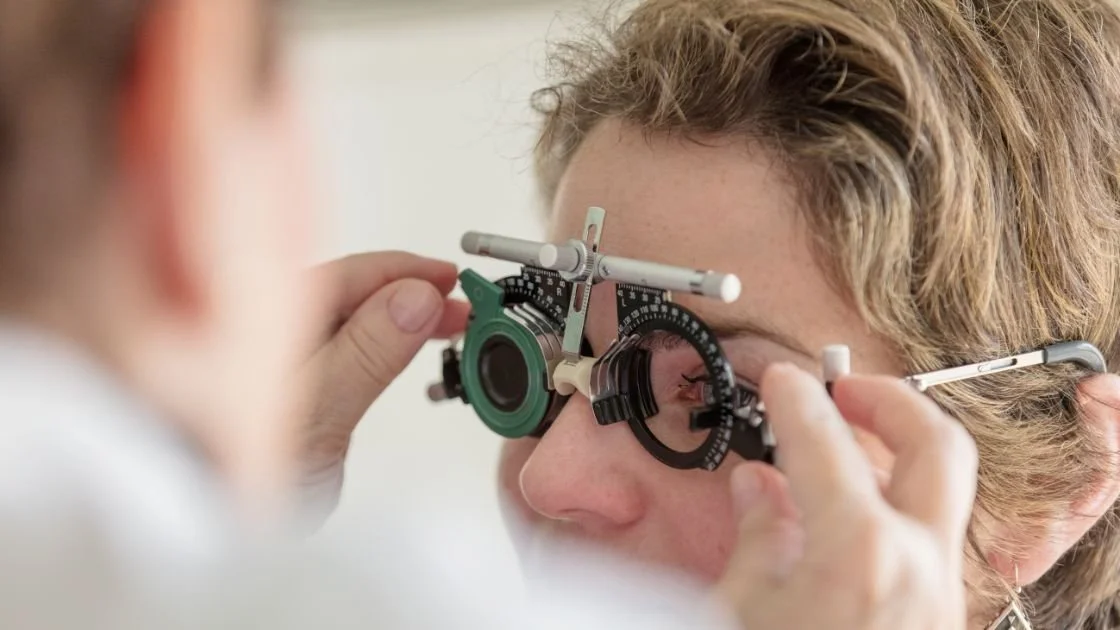
When life gets busy, eye tests are usually the first thing we push down the to-do list — somewhere between “clean out the pantry” and “finally start pilates.” But your eyes work hard every single day, and regular eye tests are one of the simplest, smartest steps you can take to protect your long-term vision and overall health.
Here’s why regular eye tests matter, what they can reveal, and how often you should get an eye test in Australia.
Your Vision Changes More Than You Think
Vision isn’t static. Even if you feel like your eyesight is perfectly fine, subtle changes can creep in without warning. You may notice:
Squinting more at your laptop
Needing brighter light to read
Holding your phone further away
Headaches after long workdays
These are common signs you need an eye test.
A regular eye exam ensures you're always seeing at your best — whether you need an updated prescription, a new lens design, or small lifestyle tweaks to reduce digital eye strain.
Eye Tests Reveal More Than Just Vision Problems
One of the biggest misconceptions is that eye exams only check whether you need glasses. In reality, an eye test can detect early signs of major health conditions, including:
Diabetes
Hypertension
Glaucoma
Macular degeneration
Your eyes act as a window into your overall health. Early detection through routine eye health checks can lead to more effective treatment and better long-term outcomes.
Your Eyewear Needs Change as Your Life Changes
More screen time? New job? Different environment?
Lifestyle shifts directly impact your vision. You may need:
Lenses designed for long computer hours
Blue-light filtering lenses for screens
UV-protective sunglasses for outdoor work
A refreshed prescription to reduce headaches
Frames that better support daily wear
Regular eye tests help your optometrist ensure your eyewear matches your lifestyle, not just your prescription.
Why Choosing an Independent Optometrist Matters
While quick, no-frills eye checks might seem convenient, personalised care makes a genuine difference.
Independent optometrists offer:
Longer, more detailed consultations
Consistent care from someone who knows your history
A carefully curated range of frames and lenses
Genuine advice without sales pressure
When you visit an independent optometrist in Australia, you’re getting expert, tailored attention that supports your vision and your overall eye health.
How Often Should You Get an Eye Test in Australia?
This is one of the biggest questions people search for — and for good reason.
Adults (18–40 years):
Every two years is a good guide.
Adults 40+ years:
Every 1–2 years, as age increases the risk of eye conditions like glaucoma and presbyopia.
Children:
Every 1–2 years, especially during growth years when vision changes quickly.
If You Have Existing Conditions or Symptoms:
Your optometrist may recommend more frequent eye tests.
Book an eye test sooner if you notice:
Blurry or fluctuating vision
Frequent headaches
Difficulty seeing at night
Eye strain from long screen hours
Dry or irritated eyes
Changes in colour or light sensitivity
When something feels “off,” don’t wait — your eyes always send signals.
Signs You May Need an Eye Test Sooner
To help you identify when a check-up shouldn’t be delayed, watch for:
Squinting to focus
Trouble reading small text
Haloes around lights
Increased dryness
Eye fatigue during work
Difficulty focusing from desk to distance
These symptoms often indicate vision changes, digital eye strain, or the need for a prescription update.
FAQs: Your Eye Test Questions Answered
How often should adults get their eyes tested?
Most adults should get an eye test every two years, unless advised otherwise.
Can eye tests detect health issues?
Yes. Eye tests can detect diabetes, hypertension, glaucoma, and other health concerns before symptoms appear.
What are the signs I need an eye test?
Headaches, blurry vision, squinting, eye strain, and difficulty focusing.
How long does an eye test take?
Most eye tests take around 20–30 minutes, depending on the type of assessment.
Should I get an eye test even if my vision seems fine?
Absolutely. Many eye conditions develop without early symptoms.
Take Care of Your Eyes — They Take Care of You
Seeing clearly is about more than sharp vision — it’s about living comfortably, confidently, and safely. Regular eye tests keep your eyes healthy, your glasses accurate, and your day-to-day life running smoothly.
Consider this your friendly reminder:
Book your next appointment with your local independent optometrist.
Your future self (and your eyes) will thank you.
