
Dilated Pupils: Causes, Symptoms, Risks & When to See an Optometrist
What Are Dilated Pupils?
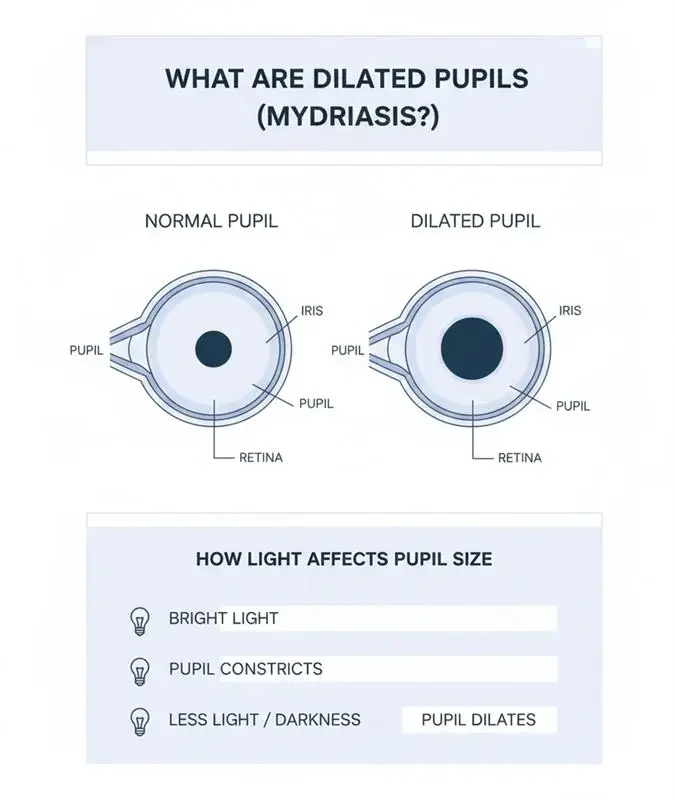
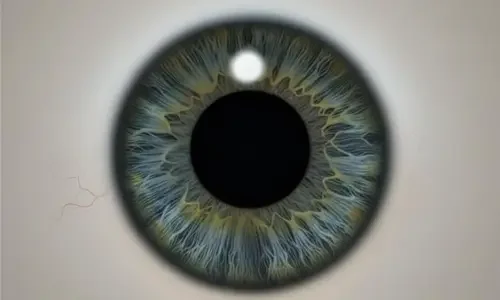
Dilated pupils (medical term: mydriasis) occur when the black centre of your eye (the pupil) becomes larger than normal and does not shrink in bright light. Pupils naturally change size to control how much light enters the eye. However, when they remain enlarged without a lighting reason, it may signal an underlying condition.
Understanding the Eye: How Pupils Work

The pupil sits in the centre of the iris (the coloured part of your eye). It adjusts automatically through:
Constriction (miosis): In bright light
Dilation (mydriasis): In dim light
This process is controlled by the autonomic nervous system — specifically the sympathetic and parasympathetic pathways.
What Causes Dilated Pupils?
Common causes include:
Low lighting conditions
Eye drops used during eye exams
Emotional arousal (fear, attraction, stress)
Certain medications (antidepressants, antihistamines, decongestants)
Recreational drugs (e.g., cocaine, MDMA)
Head injury or concussion
Migraine
Neurological disorders
Adie’s tonic pupil
Brain aneurysm (rare but serious)
Why Do Pupils Dilate?
Pupils dilate to allow more light into the eye. However, abnormal dilation happens when:
The brain’s nerve pathways are disrupted
Chemical imbalances affect nerve signalling
Medications interfere with muscle control in the iris
There is increased intracranial pressure
Who Is at Risk?
Anyone can experience temporary dilation, but higher risk groups include:
People taking specific prescription medications
Individuals with neurological conditions
Patients with head trauma
Migraine sufferers
People exposed to certain toxins
When Should You Be Concerned?
Seek urgent medical help if dilated pupils are accompanied by:
Severe headache
Blurred or double vision
Eye pain
Light sensitivity
Nausea or vomiting
Confusion or slurred speech
Sudden one-sided dilation can signal a neurological emergency.
Where Does the Problem Occur?
Dilated pupils may originate from:
The eye muscles
The optic nerve
The brain (midbrain region)
The autonomic nervous system
How Are Dilated Pupils Diagnosed?
An optometrist or doctor may perform:
Light reflex test
Pupil size comparison
Eye pressure test
Neurological assessment
Imaging (CT or MRI in emergencies)
In Australia, a comprehensive eye test can detect abnormal pupil responses early.
Types of Pupil Dilation
Physiological Dilation
Normal response to low light or emotions.
Pharmacological Dilation
Mydriasis caused by medications or eye drops.
Traumatic Dilation
Occurs after eye injury or head trauma.
Neurological Dilation
Linked to nerve damage, stroke, or brain aneurysm.
Dilated Pupils After Eye Drops
Optometrists commonly use dilating drops during comprehensive exams to examine the retina. Effects may last:
3–6 hours in adults
Up to 24 hours in children
Temporary side effects include:
Blurred near vision
Light sensitivity
Mild headache
Can Dilated Pupils Affect Vision?
Yes. Large pupils allow excess light into the eye, which can cause:
Glare
Halos
Difficulty focusing
Increased light sensitivity
Are Dilated Pupils Dangerous?
Not always. Temporary dilation from lighting or exams is normal. However, persistent or sudden unexplained dilation can indicate:
Brain injury
Stroke
Drug toxicity
Increased intracranial pressure
Immediate medical evaluation is essential in these cases.
Treatment Options
Treatment depends on the underlying cause:
Stopping or adjusting medications
Treating infections or migraines
Neurological intervention
Protective sunglasses for light sensitivity
There is no “one-size-fits-all” treatment.
Dilated Pupils in Children
Children may have larger pupils naturally. However, red flags include:
Poor light response
Developmental delays
Head tilt
Squinting frequently
Early eye exams are critical for proper development.
Frequently Asked Questions (FAQs)
1. How long do dilated pupils last?
From a few minutes (emotional response) to several hours (after eye drops). Drug-related dilation may last 24–48 hours.
2. Can anxiety cause dilated pupils?
Yes. Stress activates the sympathetic nervous system, causing temporary dilation.
3. Are uneven pupils always serious?
Not always. Some people naturally have mild anisocoria. Sudden changes require urgent evaluation.
4. Do dilated pupils mean attraction?
They can. Pupils may enlarge during emotional arousal, but this is not a reliable sign alone.
5. Should I drive after pupil dilation?
Avoid driving for several hours after dilation drops due to blurred vision and glare sensitivity.
When to See an Optometrist in Australia
Book an eye exam if you notice:
Persistent pupil enlargement
Increased light sensitivity
Blurred or double vision
Unequal pupils
Headache with visual symptoms
Regular comprehensive eye tests can detect serious neurological and ocular issues early.
If you're searching for eye care professionals near me, make sure you visit LocalEyez to connect with trusted Australian optometrists in your area.
Final Thoughts
Dilated pupils are often harmless and temporary. However, they can also serve as an important warning sign of neurological or systemic conditions. Understanding the cause, recognising red flags, and seeking timely professional care ensures your eye and brain health remain protected.
Your eyes can reveal more about your health than you think — don’t ignore unusual changes.