
Signs You Need an Eye Test (Don't Ignore These Symptoms)
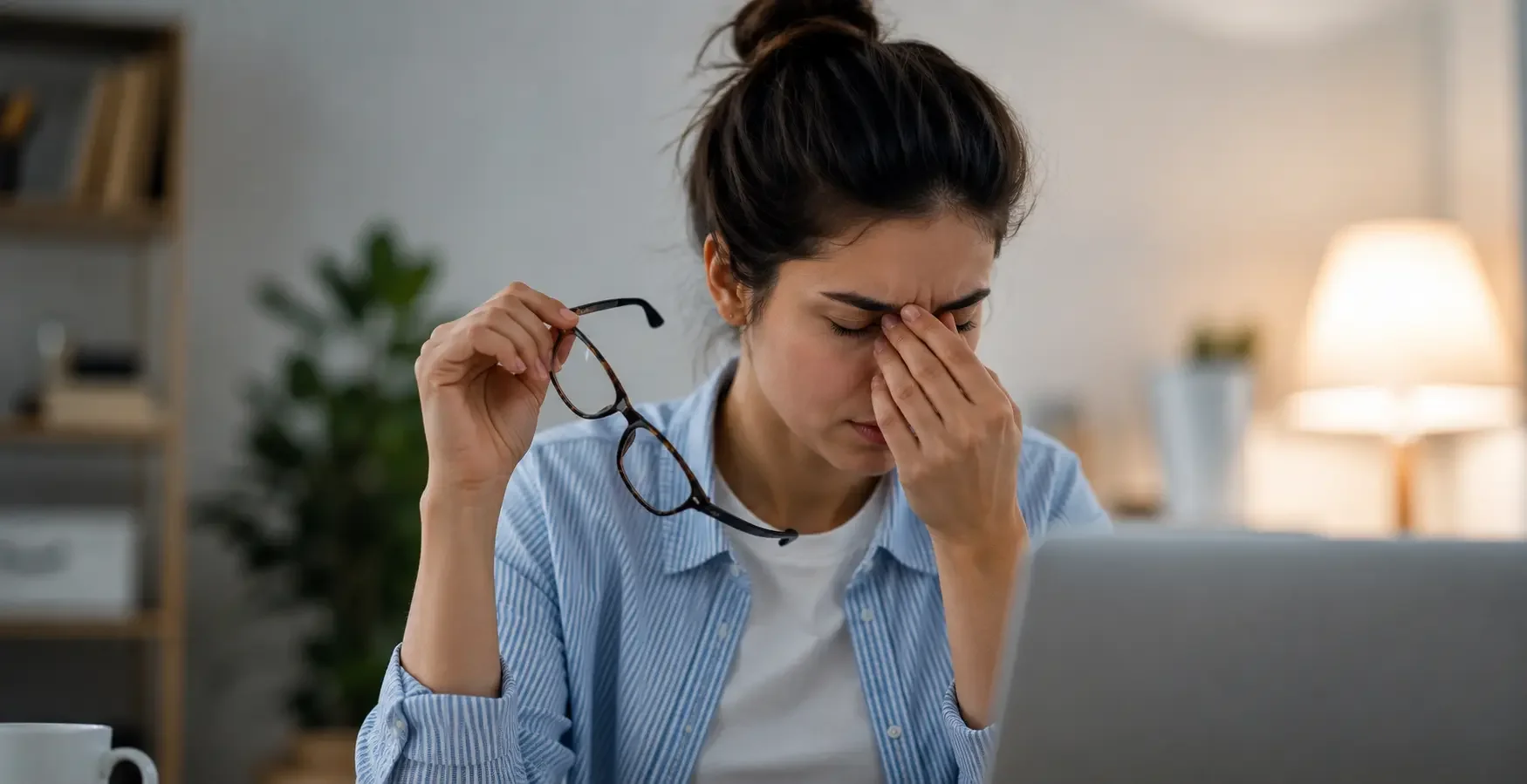
Many eye conditions develop gradually, making it easy to dismiss early symptoms as tiredness, stress, ageing, or simply spending too much time on digital devices. Unfortunately, waiting until your vision becomes noticeably worse may allow serious conditions like glaucoma, diabetic eye disease, cataracts, or macular degeneration to progress unnoticed.
The good news? Most vision problems can be detected early through a comprehensive eye examination.
Whether you're struggling to read road signs, getting headaches after work, or simply haven't had your eyes checked in years, knowing the warning signs can help protect your eyesight for the future.
This guide explains the symptoms you should never ignore, when to book an appointment, and what happens during an eye test in Australia.
Why Regular Eye Tests Matter
Many people assume they only need an eye test if their vision becomes blurry.
That's one of the biggest misconceptions.
Several serious eye diseases develop without causing pain or obvious symptoms in their early stages, including:
Glaucoma
Diabetic retinopathy
Macular degeneration
Retinal tears
High eye pressure
This is why routine eye examinations are recommended even if your vision feels perfectly normal.
15 Signs You Need an Eye Test
1. Blurry Vision
Blurry vision is the most obvious sign that your eyesight has changed.
You may notice:
Difficulty reading books
Trouble recognising faces
Road signs becoming unclear
TV subtitles looking fuzzy
Possible causes include:
Nearsightedness
Farsightedness
Astigmatism
Cataracts
Dry eyes
Diabetes-related eye changes
Never assume blurry vision is simply due to ageing.
2. Frequent Headaches
Headaches are often linked to uncorrected vision problems.
Your eye muscles work harder when focusing, especially if you need glasses but aren't wearing the correct prescription.
Vision-related headaches usually occur:
After computer work
While reading
During driving
At the end of the day
An eye examination can determine whether your headaches are vision-related.
3. Squinting to See Clearly
Squinting temporarily changes how light enters your eye.
If you regularly squint to:
Watch television
Read menus
Drive
See distant objects
it's time for an eye examination.
4. Eye Strain After Screen Use
Digital eye strain has become increasingly common.
Symptoms include:
Tired eyes
Heavy eyelids
Burning sensation
Difficulty focusing
Neck pain
Shoulder pain
An optometrist can recommend:
Computer glasses
Prescription updates
Screen ergonomics
Blue-light management (where appropriate)
Better visual habits
5. Difficulty Seeing at Night
Poor night vision should never be ignored.
You may notice:
Increased glare
Halos around headlights
Difficulty driving
Reduced contrast
Possible causes include:
Cataracts
Vitamin deficiencies
Refractive errors
Retinal diseases
6. Double Vision
Seeing two images instead of one requires immediate assessment.
Double vision can indicate:
Eye muscle problems
Nerve disorders
Cataracts
Stroke
Brain conditions
Seek urgent medical attention if double vision starts suddenly.
7. Frequent Changes in Prescription
If your glasses seem to stop working every year—or even every few months—it could indicate an underlying eye condition.
Rapid prescription changes may be associated with:
Diabetes
Cataracts
Keratoconus
Progressive myopia
8. Increased Sensitivity to Light
Light sensitivity (photophobia) may occur because of:
Eye infections
Dry eyes
Corneal injuries
Migraines
Inflammation
Persistent sensitivity deserves professional evaluation.
9. Dry, Irritated Eyes
Dry eyes aren't just uncomfortable—they can also affect vision quality.
Symptoms include:
Burning
Grittiness
Redness
Excess watering
Blurred vision
Many Australians experience dry eye due to:
Air conditioning
Screen use
Contact lenses
Ageing
Certain medications
10. Flashes of Light or New Floaters
A sudden increase in floaters or flashes may indicate:
Retinal tear
Retinal detachment
Vitreous separation
This is an eye emergency.
Seek urgent care immediately if you notice:
Curtain over vision
Sudden vision loss
Numerous new floaters
Bright flashes
11. Trouble Reading Small Print
Holding books further away?
Increasing font sizes?
Needing brighter lighting?
These may indicate:
Presbyopia
Prescription changes
Cataracts
Reading glasses aren't always the complete solution—an eye exam can identify the underlying cause.
12. Colours Don't Look the Same
Changes in colour perception can signal:
Cataracts
Optic nerve disease
Macular degeneration
Medication side effects
13. Poor Peripheral Vision
Peripheral vision loss often goes unnoticed.
It is commonly associated with:
Glaucoma
Retinal disease
Neurological disorders
This is one reason glaucoma is often called the "silent thief of sight."
14. You Keep Losing Your Place While Reading
Many adults think they're simply tired.
Children are often labelled as poor readers.
However, this may indicate:
Binocular vision issues
Eye teaming problems
Convergence insufficiency
These conditions are often missed without a comprehensive eye examination.
Competitor gap covered: Many articles focus only on blurry vision and headaches but overlook binocular vision disorders, which can significantly affect reading performance and productivity.
15. It's Been More Than Two Years Since Your Last Eye Test
Even without symptoms, routine eye tests help detect problems before vision is affected.
Many eye diseases develop silently.
If you can't remember your last eye exam, it's probably time to book one.
Symptoms That Require Immediate Emergency Care
Do not wait for a routine appointment if you experience:
Sudden vision loss
Flashes and numerous new floaters
Eye injury
Severe eye pain
Chemical exposure
Sudden double vision
Curtain-like shadow across vision
Sudden swelling with vision changes
Visit your nearest emergency department or seek urgent ophthalmic care immediately.
Competitor gap covered: Most ranking articles do not clearly separate routine symptoms from eye emergencies. This section helps readers understand when urgent medical care is required.
Symptoms That People Commonly Ignore
Many Australians delay booking an eye test because they believe these symptoms are "normal."
Don't ignore:
Needing brighter lights
Cleaning glasses constantly
Tilting your head to focus
Closing one eye while reading
Eye fatigue after meetings
Difficulty judging steps
Trouble recognising faces
Increased glare in supermarkets
Avoiding night driving
Frequent prescription sunglasses changes
These subtle signs often appear long before significant vision loss.
Who Should Have Regular Eye Tests?
General recommendations include:
Adults (18–64 years)
Every 2 years, or more often if advised by your optometrist.
Adults Over 65
Usually every year.
Children
Children should have regular eye checks to support healthy visual development.
Learn more in our guide:
Children's Eye Tests: What Australian Parents Should Know
People at Higher Risk
You may need more frequent eye tests if you have:
Diabetes
High blood pressure
Family history of glaucoma
High myopia
Previous eye surgery
Autoimmune disease
Long-term steroid use
Competitor gap covered: Few articles mention medication-related eye risks or autoimmune conditions, despite these being important risk factors.
What Happens During an Eye Test?
A comprehensive eye examination may include:
Vision assessment
Prescription testing
Eye pressure measurement
Retina examination
Eye health assessment
Digital retinal imaging (if required)
Peripheral vision testing
Colour vision testing
Binocular vision assessment
Most appointments take between 20 and 45 minutes.
Can You Get an Eye Test Bulk Billed?
Many Australians may be eligible for Medicare-covered eye examinations depending on eligibility criteria and testing intervals.
Read our complete guide:
Bulk Billing Eye Tests in Australia: Who's Eligible & How to Find One
How to Find an Optometrist Near You
Choosing a qualified optometrist ensures you receive a thorough eye examination tailored to your vision needs.
If you're looking for an eye care professional anywhere in Australia, browse trusted local optometrists through the LocalEyez directory.
You can search by location to find clinics near you, compare services, and book an appointment with confidence.
Prevention Tips for Better Eye Health
Along with regular eye tests:
Wear UV-protective sunglasses outdoors.
Follow the 20-20-20 rule during screen time.
Eat foods rich in leafy greens and omega-3 fatty acids.
Manage diabetes and blood pressure.
Avoid smoking.
Wear protective eyewear during sports and DIY projects.
Keep your prescription up to date.
Stay hydrated and blink regularly when using digital devices.
Common Myths About Eye Tests
Myth: I only need an eye test if I can't see clearly.
Fact: Many eye diseases have no early symptoms.
Myth: Online vision tests replace a comprehensive eye exam.
Fact: Online tests cannot assess eye health, detect glaucoma, examine the retina, or identify many serious eye conditions.
Myth: If I wear glasses, I don't need regular eye tests.
Fact: Your prescription and eye health can change over time, even if your glasses still seem to work.
Competitor gap covered: Online vision tests are increasingly popular, yet many articles fail to explain their limitations.
Conclusion
Your eyesight changes gradually, making it easy to overlook the early warning signs. Symptoms like blurry vision, headaches, eye strain, poor night vision, or frequent squinting should never be ignored. Even if your vision seems fine, regular eye tests play a vital role in detecting silent eye diseases before they affect your sight.
If you've noticed any of the symptoms discussed in this guide—or it's simply been a while since your last eye examination—book an appointment with a qualified optometrist. Early detection is one of the best ways to protect your long-term eye health.
To find trusted eye care professionals across Australia, visit LocalEyez and locate an optometrist near you.
Frequently Asked Questions (FAQs)
What are the first signs you need an eye test?
Early signs include blurry vision, headaches, eye strain, frequent squinting, difficulty reading, poor night vision, dry eyes, and trouble focusing. Even mild changes can indicate it's time for a comprehensive eye examination.
Can headaches mean I need glasses?
Yes. Uncorrected vision problems often cause headaches, particularly after reading, using digital screens, or driving. An eye test can determine whether your vision is contributing to your symptoms.
How often should adults in Australia have an eye test?
Most adults should have an eye test every two years, while people over 65 or those with conditions such as diabetes or glaucoma risk factors may need more frequent examinations.
Are eye tests covered by Medicare in Australia?
Many comprehensive eye examinations are covered by Medicare for eligible Australians. Coverage depends on your age, eligibility, and the time since your last Medicare-funded eye examination.
Can children have vision problems without complaining?
Yes. Children often don't realise their vision is abnormal because they assume everyone sees the same way. Regular children's eye tests help identify issues that may affect learning and development.
Are flashes and floaters always serious?
Not always, but a sudden increase in flashes, floaters, or a curtain-like shadow over your vision requires immediate medical attention, as these can be signs of a retinal tear or retinal detachment.
Is digital eye strain permanent?
Digital eye strain is usually temporary, but prolonged screen use can reveal underlying vision problems. An eye test can determine whether prescription changes or specific computer glasses may help.
Can I drive if my vision is getting worse?
If you're experiencing blurred vision, poor night vision, or difficulty seeing road signs, you should arrange an eye test promptly. Driving with inadequate vision can put you and others at risk.
Can an eye test detect health conditions other than eye problems?
Yes. A comprehensive eye examination may reveal signs of diabetes, high blood pressure, high cholesterol, autoimmune diseases, neurological conditions, and other systemic health issues before symptoms become obvious.