
What Does an Optometrist Do? A Complete Guide for Australians
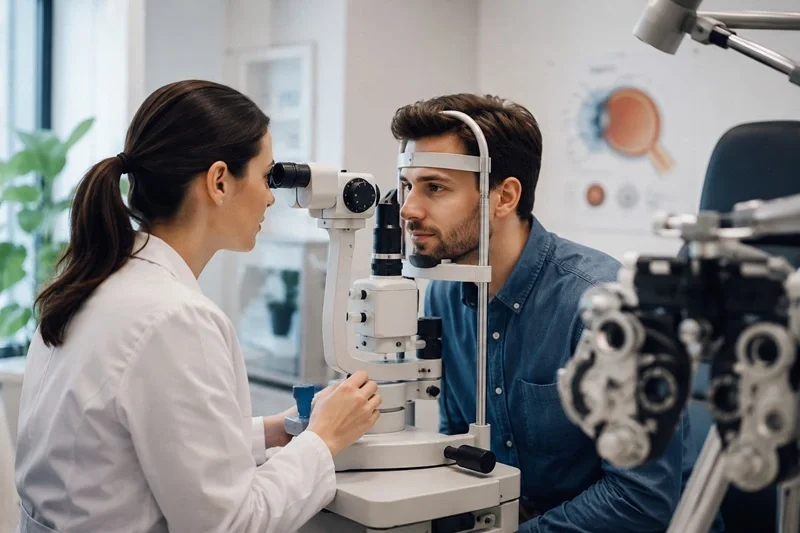
An optometrist is a primary eye healthcare professional who examines your eyes, checks your vision, prescribes glasses and contact lenses, diagnoses common eye diseases, and manages many eye conditions. In Australia, optometrists also detect serious eye problems early and refer patients to ophthalmologists when specialist treatment or surgery is required.
Your eyesight is one of your most valuable senses, yet many Australians only visit an optometrist when their vision becomes blurry. The reality is that regular eye examinations do much more than determine whether you need glasses—they can detect serious eye diseases, identify underlying health conditions such as diabetes and high blood pressure, and even prevent permanent vision loss through early diagnosis.
Whether you're experiencing headaches after long hours at the computer, struggling to read road signs, or simply wondering how often you should have your eyes checked, understanding the role of an optometrist can help you take better care of your eye health.
In this complete Australian guide, you'll learn exactly what an optometrist does, the conditions they diagnose and manage, what happens during an eye examination, how they differ from ophthalmologists and opticians, Medicare eligibility, and how to know when it's time to book an appointment.
What Does an Optometrist Do?
An optometrist is a university-trained healthcare professional specialising in eye health and vision care. They are often the first point of contact for anyone experiencing vision problems or wanting routine eye examinations.
Their responsibilities extend far beyond prescribing glasses.
An Australian optometrist can:
Perform comprehensive eye examinations
Test visual acuity and overall eye function
Diagnose vision problems
Prescribe glasses and contact lenses
Detect early signs of eye diseases
Monitor long-term eye conditions
Manage dry eye disease
Assess children's vision development
Detect diabetic eye changes
Monitor glaucoma risk
Identify cataracts and macular degeneration
Prescribe certain therapeutic eye medications (where authorised)
Remove some superficial foreign bodies from the eye
Refer patients to ophthalmologists when surgery or specialist care is needed
They play a vital role in preventing avoidable blindness through early detection and ongoing monitoring.
Why Regular Eye Exams Are More Important Than You Think
Many eye diseases develop slowly and painlessly.
By the time noticeable symptoms appear, irreversible vision damage may already have occurred.
Routine eye examinations can detect conditions before you experience symptoms, including:
Glaucoma
Cataracts
Diabetic retinopathy
Macular degeneration
Retinal tears
High blood pressure changes
Diabetes-related eye damage
Certain neurological conditions
In many cases, an optometrist is the first healthcare professional to identify signs of systemic diseases during a routine eye examination.
What Eye Conditions Can an Optometrist Diagnose?
One area that many competing articles overlook is the wide range of conditions an optometrist can identify—not just poor eyesight.
Refractive Errors
These are the most common reasons Australians visit an optometrist.
They include:
Long-sightedness (Hyperopia)
Astigmatism
Presbyopia (age-related difficulty focusing on close objects)
These conditions are corrected with:
Contact lenses
Vision therapy (selected cases)
Referral for laser eye surgery assessment if appropriate
Dry Eye Disease
Dry eye affects millions of Australians, particularly those who:
Spend long hours using digital devices
Work in air-conditioned offices
Wear contact lenses
Are over 50
Experience hormonal changes
Optometrists diagnose the cause of dry eye and recommend personalised treatment plans, including lubricating eye drops, eyelid hygiene, lifestyle adjustments, prescription medications (where appropriate), and in some cases advanced in-practice therapies.
Glaucoma
Glaucoma is often called the "silent thief of sight" because vision loss usually occurs gradually without noticeable symptoms.
Optometrists assess glaucoma risk by:
Measuring eye pressure
Examining the optic nerve
Performing visual field testing
Using OCT retinal imaging
Monitoring changes over time
Early detection significantly reduces the risk of permanent blindness.
Cataracts
Cataracts develop when the eye's natural lens becomes cloudy.
An optometrist can:
Detect cataracts
Monitor progression
Advise when surgery may become beneficial
Refer patients to an ophthalmologist for cataract surgery when necessary
Age-Related Macular Degeneration (AMD)
AMD is one of Australia's leading causes of vision loss among older adults.
Optometrists look for early retinal changes during routine examinations.
Early diagnosis allows for lifestyle advice, monitoring, nutritional recommendations, and timely referral for treatment if advanced disease develops.
Diabetic Retinopathy
People with diabetes should have regular comprehensive eye examinations because diabetes can damage the retina long before vision changes become noticeable.
Optometrists monitor:
Retinal blood vessels
Swelling
Bleeding
Fluid leakage
Progressive diabetic eye disease
Early intervention helps protect long-term vision.
Eye Infections
Optometrists commonly diagnose:
Conjunctivitis
Blepharitis
Corneal inflammation
Eyelid infections
Styes
Allergic eye conditions
Many can be treated directly by an optometrist, while more serious infections may require referral.
Digital Eye Strain
A rapidly growing reason Australians visit optometrists is prolonged screen use.
Symptoms include:
Blurred vision
Eye fatigue
Dry eyes
Headaches
Neck pain
Difficulty focusing
An optometrist can recommend screen-specific lenses, workplace adjustments, and strategies to reduce digital eye strain.
Conditions an Optometrist Can Detect Beyond Eye Health
One of the biggest content gaps on many competing pages is that eye exams can reveal signs of broader health conditions.
During a comprehensive examination, an optometrist may detect signs associated with:
| Health Condition | Possible Eye Signs |
|---|---|
| Diabetes | Retinal bleeding, swelling |
| High blood pressure | Narrowed or damaged retinal blood vessels |
| High cholesterol | Cholesterol deposits in the eye |
| Autoimmune diseases | Inflammation affecting eye structures |
| Multiple sclerosis | Optic nerve inflammation |
| Brain tumours | Swelling of the optic nerve |
| Stroke risk | Retinal vascular changes |
| Thyroid disease | Eye bulging or movement abnormalities |
Because the retina contains tiny blood vessels that can be viewed directly, the eyes often provide valuable clues about a person's overall health.
Optometrist vs Ophthalmologist vs Optician
Many Australians confuse these three professions.
Here's the difference.
| Feature | Optometrist | Ophthalmologist | Optician |
|---|---|---|---|
| University qualified | ✔ | ✔ Medical Specialist | Usually vocational training |
| Eye examinations | ✔ | ✔ | ✖ |
| Prescribes glasses | ✔ | ✔ | ✖ |
| Contact lens fitting | ✔ | Sometimes | Dispenses only |
| Diagnoses eye diseases | ✔ | ✔ | ✖ |
| Prescribes therapeutic medications | ✔ (where authorised) | ✔ | ✖ |
| Performs surgery | ✖ | ✔ | ✖ |
| Cataract surgery | ✖ | ✔ | ✖ |
| Laser eye surgery | ✖ | ✔ | ✖ |
| Dispenses glasses | Sometimes | Rarely | ✔ |
Simply put:
Optometrist = Primary eye healthcare provider
Ophthalmologist = Eye surgeon and medical specialist
Optician = Fits and dispenses glasses and contact lenses based on a prescription
What Services Does an Optometrist Provide?
Modern optometry involves much more than vision testing.
Services commonly offered across Australia include:
Comprehensive Eye Examinations
Routine assessments of vision and eye health using advanced diagnostic equipment.
Prescription Glasses
Optometrists determine the exact lens prescription needed for:
Reading
Driving
Distance vision
Progressive lenses
Multifocal lenses
Occupational lenses
Contact Lens Assessments
Services include:
First-time fittings
Soft contact lenses
Rigid gas permeable lenses
Multifocal contacts
Astigmatism correction
Orthokeratology (Ortho-K)
Specialty lenses for keratoconus
Children's Eye Examinations
Children's vision assessments include:
Eye coordination
Focusing ability
Visual development
Lazy eye screening
Squint assessment
Colour vision
School readiness checks
Early diagnosis can significantly improve learning outcomes and visual development.
Dry Eye Assessment
Using specialised equipment, optometrists assess:
Tear production
Tear quality
Eyelid function
Meibomian gland health
Ocular surface damage
This helps identify the underlying cause of dry eye and guide appropriate treatment.
Glaucoma Monitoring
High-risk patients may require:
OCT scans
Visual field tests
Corneal thickness measurements
Eye pressure monitoring
Optic nerve photography
Regular monitoring helps detect changes early and preserve vision.
Myopia (Short-Sightedness) Management
With childhood myopia increasing across Australia, many optometrists now offer evidence-based myopia management programs.
These may include:
Orthokeratology (Ortho-K)
Multifocal contact lenses
Special spectacle lenses
Lifestyle advice, such as increasing outdoor time
Monitoring eye growth over time
Slowing myopia progression can reduce the risk of serious eye diseases later in life.
What Happens During an Eye Test?
Many Australians avoid booking an appointment simply because they don't know what to expect.
A comprehensive eye examination is usually painless and typically takes 20 to 45 minutes, depending on your age, symptoms, and whether additional testing is needed.
Step 1: Medical and Vision History
Your optometrist will ask about:
Current vision concerns
Family history of eye disease
Existing medical conditions
Medications
Previous eye injuries or surgery
Occupation
Screen time
Contact lens use
Driving requirements
Step 2: Visual Acuity Test
Using an eye chart, your distance and near vision are measured to determine how clearly you can see at different distances.
Step 3: Refraction Test
Different lenses are placed before your eyes to determine the most accurate prescription for glasses or contact lenses.
This is the familiar "Which is clearer—one or two?" part of the examination.
Step 4: Eye Pressure Measurement
A tonometry test measures intraocular pressure to help assess your risk of glaucoma.
Modern clinics often use non-contact ("air puff") devices or handheld instruments that minimise discomfort.
Step 5: Eye Health Examination
Using a slit lamp microscope, the optometrist examines:
Eyelids
Cornea
Iris
Lens
Conjunctiva
Tear film
This helps detect infections, cataracts, dry eye, and other anterior eye conditions.
Step 6: Retinal Examination
Your retina and optic nerve are examined using specialised lenses or retinal imaging technology.
This allows early detection of:
Macular degeneration
Glaucoma
Diabetic retinopathy
Retinal tears
Vascular changes
Step 7: Additional Tests (If Needed)
Depending on your age, symptoms, or risk factors, additional assessments may include:
Optical Coherence Tomography (OCT)
Visual field testing
Colour vision testing
Depth perception assessment
Binocular vision evaluation
Corneal topography
Fundus photography
Common Eye Tests Explained
| Eye Test | Purpose | Who Needs It? |
|---|---|---|
| Visual Acuity | Measures clarity of vision | Everyone |
| Refraction | Determines prescription | Everyone with vision concerns |
| Tonometry | Measures eye pressure | Adults, glaucoma risk |
| Slit Lamp Exam | Examines front of the eye | All comprehensive eye exams |
| Retinal Examination | Checks the retina and optic nerve | Everyone, especially over 40 |
| OCT Scan | Detects retinal and optic nerve disease | High-risk patients |
| Visual Field Test | Detects peripheral vision loss | Glaucoma suspects |
| Colour Vision Test | Identifies colour deficiencies | Children, certain occupations |
| Corneal Topography | Maps the cornea | Contact lens wearers, keratoconus |
| Tear Film Assessment | Diagnoses dry eye | Patients with dry eye symptoms |
Why This Matters for Australians
Australia has one of the highest rates of UV exposure in the world, increasing the lifetime risk of cataracts, pterygium, and other sun-related eye conditions. Combined with an ageing population, rising diabetes rates, and increasing screen use, regular comprehensive eye examinations are becoming more important than ever. Early detection through routine optometry visits can help prevent avoidable vision loss and support lifelong eye health.
When Should You See an Optometrist?
One of the most common questions Australians ask is, "Do I really need an eye test if my vision seems fine?"
The answer is yes.
Many eye conditions, including glaucoma, diabetic retinopathy, and early macular degeneration, can develop without noticeable symptoms. By the time vision changes become obvious, some damage may already be permanent.
Routine eye examinations allow optometrists to detect problems early, monitor changes over time, and recommend treatment before vision is affected.
You Should Book an Eye Examination If You Experience:
Blurred vision
Difficulty reading small print
Frequent headaches
Double vision
Eye pain or discomfort
Red or irritated eyes
Dry, itchy, or watery eyes
Flashes of light or sudden floaters
Difficulty driving at night
Increased sensitivity to light
Problems focusing between near and distant objects
Eye injuries
Sudden vision loss (seek urgent care immediately)
Even if you have no symptoms, preventive eye care remains essential.
How Often Should Australians Have an Eye Test?
This is another area where many competitor articles provide only generic advice. The recommended frequency depends on your age, health, and risk factors.
| Age Group | Recommended Eye Exam Frequency |
|---|---|
| Under 3 years | Vision screening as recommended by child health professionals |
| 3–5 years | At least one comprehensive eye examination before starting school |
| 6–18 years | Every 1–2 years, or sooner if advised |
| 19–39 years | Every 2 years if low risk |
| 40–64 years | Every 2 years, or more often if recommended |
| 65+ years | Every year or as advised by your optometrist |
| People with diabetes | At least annually |
| Family history of glaucoma | As recommended, often every 1–2 years |
| Contact lens wearers | Regular reviews based on lens type and eye health |
Your optometrist may recommend more frequent visits if you have an existing eye condition or other risk factors.
Children's Eye Examinations
Good vision plays a crucial role in learning, reading, and social development.
Because children often don't realise they have vision problems, issues can go unnoticed for years.
Signs Your Child May Need an Eye Test
Sitting too close to the television
Holding books very close
Squinting frequently
Covering one eye
Poor concentration
Frequent headaches
Difficulty reading
Losing their place while reading
Rubbing their eyes often
Poor hand-eye coordination
Many parents assume school vision screenings are enough, but these screenings do not replace a comprehensive eye examination.
A children's eye exam assesses much more than eyesight, including:
Eye coordination
Focusing ability
Depth perception
Eye movement
Colour vision
Visual processing
Binocular vision
Early treatment can significantly improve visual development and learning outcomes.
Eye Care for Teenagers
Teenagers spend more time on screens than ever before.
This has contributed to increasing rates of:
Digital eye strain
Dry eyes
Progressive myopia (short-sightedness)
Sleep disruption from blue light exposure
Regular eye examinations can ensure vision remains clear for school, sports, and driving while monitoring changes that may require updated prescriptions or myopia management.
Eye Care for Adults
Adults often delay eye tests because they assume vision changes are a normal part of ageing.
However, early symptoms may indicate conditions requiring treatment.
Adults should book an eye examination if they notice:
Difficulty reading menus
Trouble using computers
Headaches after work
Frequent prescription changes
Difficulty driving at night
Eye fatigue after screen use
Regular eye care also supports workplace safety and productivity.
Eye Examinations for Older Australians
After age 60, the risk of serious eye diseases increases significantly.
Routine eye examinations become increasingly important for detecting:
Cataracts
Age-related macular degeneration
Glaucoma
Diabetic eye disease
Retinal disorders
Early diagnosis often leads to better treatment outcomes and helps preserve independence and quality of life.
Eye Care for People with Diabetes
Diabetes can damage the tiny blood vessels in the retina, causing diabetic retinopathy.
The concerning part is that diabetic retinopathy often develops without symptoms.
Every person with diabetes should have regular comprehensive eye examinations, even if their vision seems normal.
An optometrist monitors for:
Retinal bleeding
Swelling
Fluid leakage
New blood vessel growth
Macular oedema
Early treatment can dramatically reduce the risk of permanent vision loss.
Contact Lens Fittings and Reviews
Many people think contact lenses are simply an alternative to glasses.
In reality, they are medical devices that require proper fitting and regular monitoring.
An optometrist will assess:
Corneal shape
Tear quality
Lifestyle
Prescription stability
They'll also recommend the most suitable lens type, such as:
Daily disposable lenses
Fortnightly lenses
Monthly lenses
Toric lenses for astigmatism
Rigid gas permeable lenses
Orthokeratology (Ortho-K)
Regular reviews help reduce the risk of infections and ensure your lenses continue to fit comfortably.
Dry Eye Management
Dry eye disease is becoming one of the most common reasons Australians visit an optometrist.
It affects people of all ages and can significantly impact comfort and vision.
Common Symptoms
Burning sensation
Gritty feeling
Excessive watering
Blurred vision
Tired eyes
Light sensitivity
Difficulty wearing contact lenses
Rather than recommending generic eye drops, an optometrist identifies the underlying cause of dry eye and tailors treatment accordingly.
Treatment options may include:
Artificial tears
Prescription eye drops (where appropriate)
Warm compresses
Eyelid hygiene
Meibomian gland treatment
Dietary advice
Environmental modifications
In-practice dry eye therapies offered by some clinics
Myopia Management: Why It's Becoming So Important
One of the biggest gaps in many existing articles is the growing importance of myopia management.
Short-sightedness is increasing rapidly worldwide, including in Australia.
High myopia is associated with an increased lifetime risk of:
Retinal detachment
Glaucoma
Cataracts
Myopic macular degeneration
Modern optometrists focus not only on correcting myopia but also on slowing its progression.
Treatment options may include:
Orthokeratology lenses
Multifocal contact lenses
Special spectacle lenses designed for myopia control
Prescription atropine eye drops (prescribed by appropriate healthcare providers where indicated)
Lifestyle recommendations, including more outdoor time and regular breaks from near work
Managing myopia early can reduce the risk of serious eye disease later in life.
Digital Eye Strain (Computer Vision Syndrome)
Australians spend hours every day using computers, tablets, and smartphones.
Extended screen time can lead to digital eye strain.
Symptoms Include
Blurred vision
Dry eyes
Headaches
Neck pain
Shoulder pain
Difficulty focusing
Eye fatigue
Tips to Reduce Digital Eye Strain
Follow the 20-20-20 Rule (every 20 minutes, look at something 20 feet away for 20 seconds)
Blink more often
Adjust screen brightness
Position your monitor at eye level
Reduce glare
Use artificial tears if recommended
Wear computer-specific glasses if prescribed
Maintain good posture
How Much Does an Eye Test Cost in Australia?
The cost of an eye examination varies depending on:
Clinic
Type of examination
Technology used
Additional testing required
Typical costs may include:
| Service | Typical Cost (AUD) |
|---|---|
| Standard eye examination | Often bulk billed if eligible under Medicare, otherwise private fees may apply. |
| Contact lens consultation | Additional fees commonly apply. |
| OCT scan | May incur an extra fee depending on clinical need and clinic policy. |
| Visual field testing | May be included or charged separately. |
| Dry eye assessment | Often charged separately. |
| Specialty contact lens fitting | Higher consultation fees. |
Always ask your clinic about fees before your appointment.
Does Medicare Cover Eye Tests?
Many Australians are eligible for Medicare benefits for clinically necessary optometry services.
Depending on your circumstances, Medicare may cover:
Comprehensive eye examinations
Follow-up consultations
Certain additional assessments when clinically indicated
Some clinics choose to bulk bill, meaning there is no out-of-pocket cost for eligible Medicare-covered services.
However, additional services such as:
OCT imaging (in some cases)
Contact lens fittings
Dry eye clinics
Specialty testing
Prescription eyewear
may involve additional fees.
It's always worth confirming what's included when booking your appointment.
Read Also: Bulk Billing Eye Tests in Australia
Can You Visit an Optometrist Without a Referral?
Yes.
One of the biggest advantages of Australian eye care is that you can usually book directly with an optometrist.
You do not need a GP referral for a routine eye examination.
However, if your optometrist identifies a condition requiring specialist treatment or surgery, they may refer you to an ophthalmologist.
How to Choose the Right Optometrist in Australia
Not all clinics offer the same services or technology.
When comparing providers, consider the following:
Look for Modern Diagnostic Equipment
Clinics with advanced imaging technology can often detect eye disease earlier.
Examples include:
OCT scanning
Digital retinal photography
Visual field analysers
Corneal topography
Dry eye assessment equipment
Check Areas of Expertise
Some optometrists have additional experience in:
Children's vision
Myopia management
Dry eye disease
Contact lenses
Sports vision
Low vision rehabilitation
Behavioural optometry
Choose a provider that matches your needs.
Read Patient Reviews
Look for feedback about:
Thoroughness of examinations
Communication
Appointment availability
Staff friendliness
Follow-up care
Technology
Overall patient experience
Consider Convenience
Factors such as:
Location
Parking
Public transport
Weekend appointments
Online booking
Emergency availability
can make ongoing eye care much easier.
Common Myths About Optometrists
Myth: I only need an eye test if I can't see clearly.
Fact: Many serious eye diseases have no early symptoms.
Myth: Eye exams are only for people who wear glasses.
Fact: Everyone benefits from regular eye examinations.
Myth: Children don't need eye tests if they pass school screenings.
Fact: School screenings do not assess many important aspects of vision.
Myth: Screen time permanently damages eyesight.
Fact: Screens don't usually cause permanent damage, but they can contribute to digital eye strain, dry eyes, and may influence myopia progression in children when combined with prolonged near work and limited outdoor time.
Myth: If my eyes don't hurt, they're healthy.
Fact: Many eye diseases, including glaucoma, develop without pain.
Questions Australians Commonly Search Before Booking an Eye Test
To address search intent beyond what most competitor articles cover, here are answers to common questions users often have before making an appointment:
Can an optometrist detect diabetes?
Yes. Changes in the retina may indicate diabetes or diabetic complications, sometimes before a person notices vision changes.
Can an optometrist tell if I have high blood pressure?
Eye examinations can reveal changes in retinal blood vessels that may be associated with high blood pressure, although diagnosis and management require assessment by a medical practitioner.
Can an optometrist remove something from my eye?
Many optometrists can remove certain superficial foreign bodies from the eye and provide treatment when appropriate. More serious injuries are referred urgently.
Can an optometrist prescribe medication?
Australian optometrists with therapeutic endorsement can prescribe a range of medications for certain eye conditions within their scope of practice.
Can I drive immediately after an eye test?
Usually yes. However, if your pupils are dilated during the examination, your vision may be temporarily blurred or more sensitive to light. You may wish to arrange transport if dilation is expected.
Why Preventive Eye Care Matters
Preventive eye care isn't just about seeing clearly—it's about protecting your long-term health and independence.
Routine eye examinations can:
Detect eye disease before symptoms appear
Monitor changes over time
Update prescriptions for optimal vision
Support children's learning and development
Help identify signs of broader health conditions
Reduce the risk of avoidable vision loss through early intervention
For most Australians, scheduling regular eye checks is one of the simplest steps they can take to maintain healthy vision throughout life.
Conclusion
Your eyes do far more than help you see—they can also reveal important information about your overall health. From detecting common vision problems to identifying early signs of glaucoma, cataracts, diabetic eye disease, and other conditions, optometrists play a vital role in protecting your eyesight at every stage of life.
Regular comprehensive eye examinations are one of the most effective ways to maintain healthy vision and catch potential issues before they become serious. Whether you're booking your child's first eye test, updating your glasses prescription, managing an existing eye condition, or simply due for a routine check-up, seeing an optometrist regularly is an investment in your long-term eye health.
Find a Trusted Optometrist Near You
Looking for a qualified optometrist in your area? LocalEyez makes it easy to discover trusted eye care professionals across Australia. Browse clinics by location, compare services, and find an optometrist that suits your needs—all in one place.
Visit LocalEyez today to find an optometrist near you and book your next comprehensive eye examination. Your vision deserves expert care, and the right eye care professional is just a few clicks away.